Visit us
Lorem Ipsum is simply dummy text of the printing and typesetting industry. Lorem Ipsum has been the. mohit
Book a tour

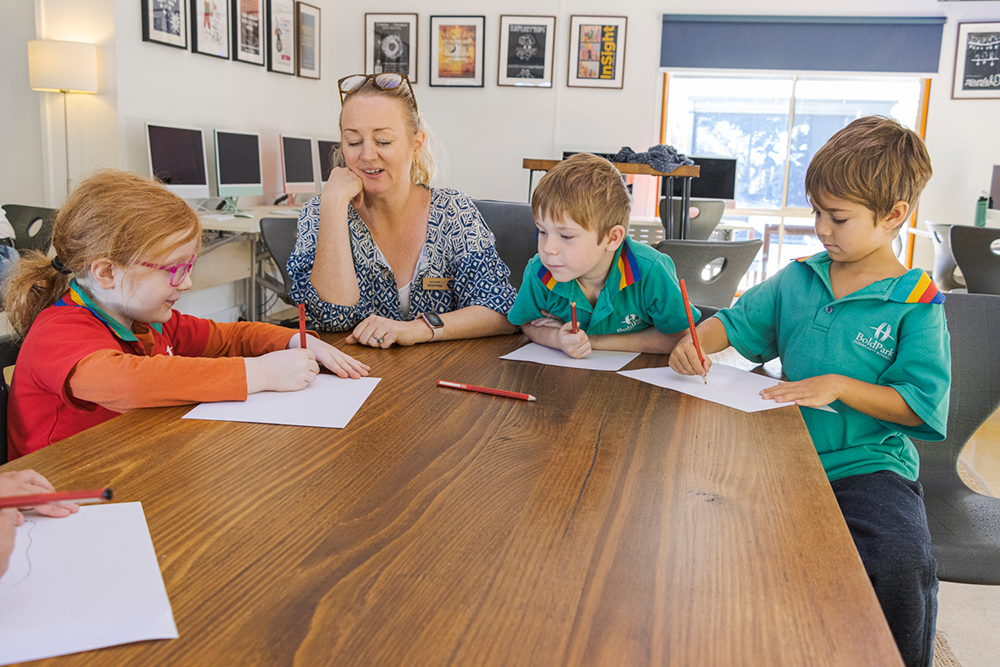
With the principles of our philosophy underpinning our approach, many elements of a student’s Bold Park education experience will be the same throughout their primary school years. We focus on unity, so all students understand they are part of a common whole. We believe in having opportunities for small group learning, and our adult-to-student ratios are an essential part of this.
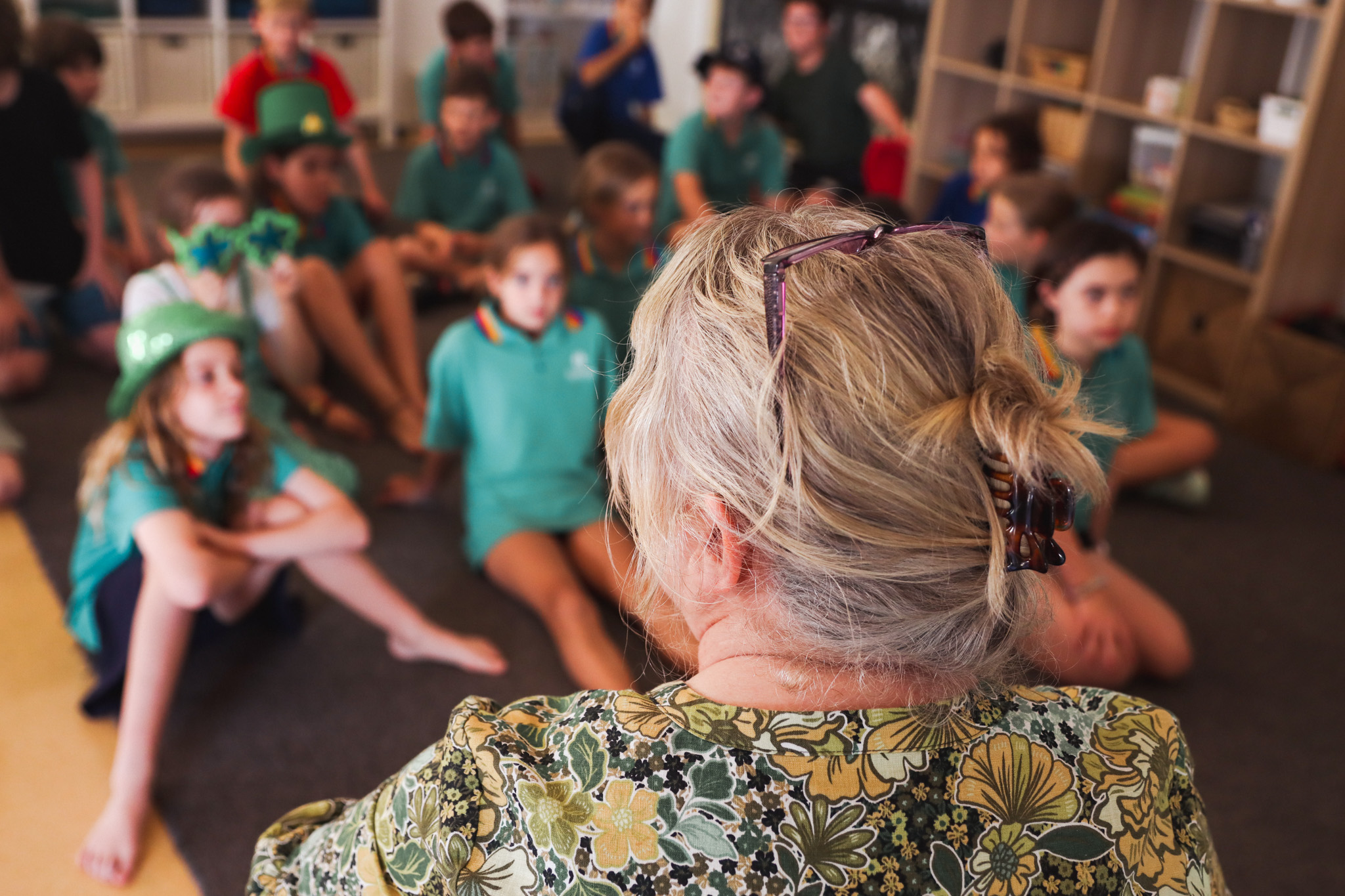
While bells or sirens do not govern our days in primary school, each class follows a weekly schedule, and each day has a predictable rhythm and 'flow of the day'. The flow includes class meetings, skill and project-based lessons, breaks, and specialist teaching.
Our educators know that play is central to how children learn, form and explore friendships, shape and test hypotheses, and make sense of their world. In addition, they know that students learn differently and at different rates. For these reasons, our primary educators maintain a playful approach to curriculum and design various strategies to engage and challenge all students.
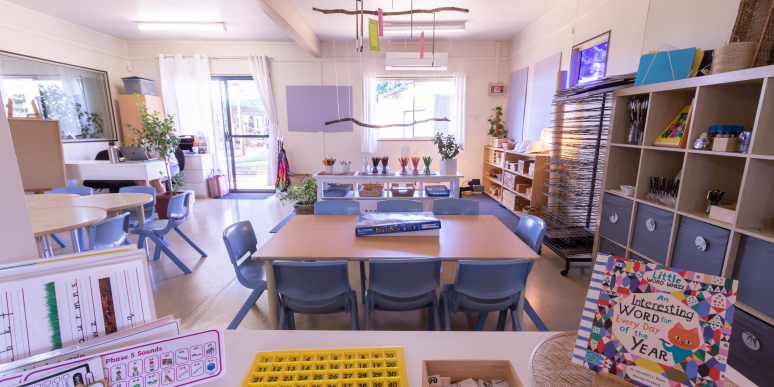
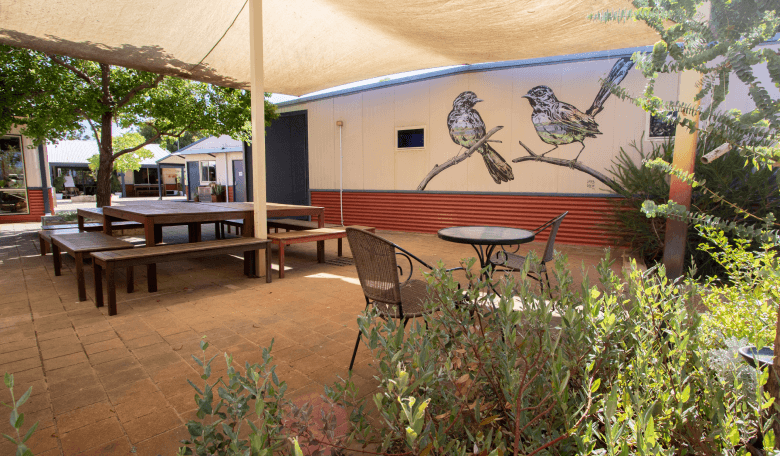
Our primary classes are generally multi-aged and housed in a comfortable and inviting classroom that is open and connected to the world around them. Learning spills out from our classrooms and onto our verandas or to various environments. These include specialist media and publishing, performance or visual arts spaces, library hubs for fiction and non-fiction collections across the school, a kitchen garden with chickens and garden beds planted and harvested with the students, an outdoor classroom and tool shed (Wildspace) where children learn to investigate, collaborate, negotiate, take risks, play and work safely out of doors.
We are committed to building relationships with families and making the student's learning visible. Our educators regularly communicate with families through various modes. These include face-to-face meetings, EDUCA, our web-based story platform, or class meetings. In addition, we utilise a range of assessments and standardised measures to monitor children's learning progress regularly. For example, each student's level of achievement of Western Australian Curriculum outcomes is formally graded and reported to parents twice a year along with a portfolio of the student's work. Students in primary school also participate in the National Assessment Program for Literacy and Numeracy (NAPLAN) every two years from the age of 8. From Pre-Primary, we implement the Western Australian Curriculum, which sets the mandated content, skills, knowledge and guiding principles for our teaching, learning and assessment and reporting to parents/ guardians.
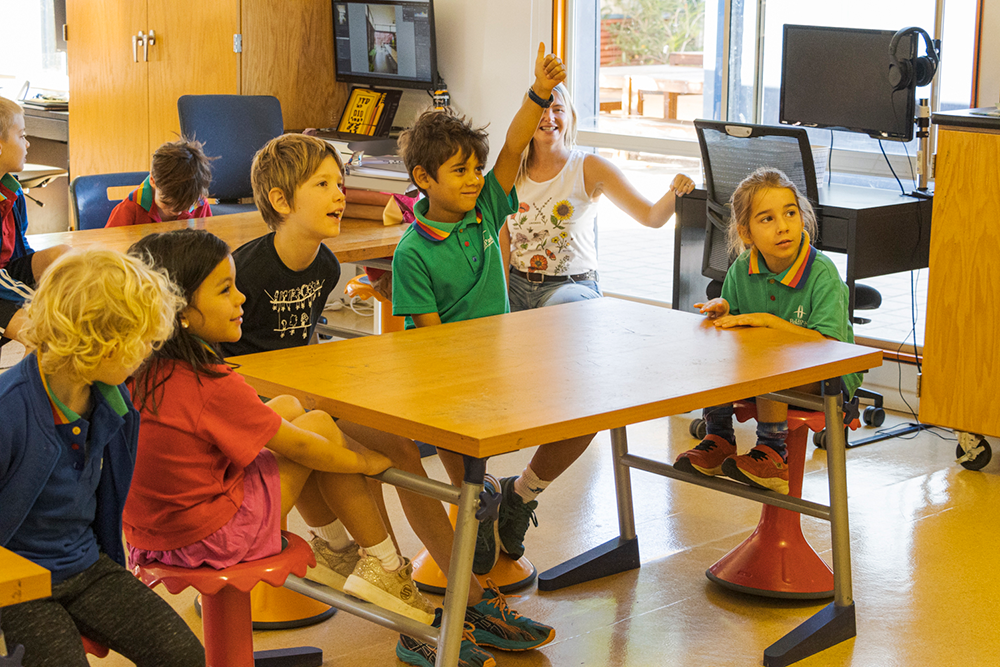
We deliver the Western Australian Curriculum, which sets the mandated content, skills, knowledge and guiding principles for our teaching, learning and assessment.
The Western Australian Curriculum encompasses:
We implement the Keeping Safe: Child Protection Curriculum a student focussed curriculum for teaching protective behaviours and understanding of healthy relationships.
for more information view the BPCS Handbook
or download the Prospectus
 Read More
 Read More
 Read More
 Read More
 Read More
 Read More
 Read More
 Read More
 Read More
 Read More
 Read More
 Read More
 Read More
 Read More
 Read More
 Read More
 Read More
 Read More
 Read More
 Read More
 Read More
 Read More
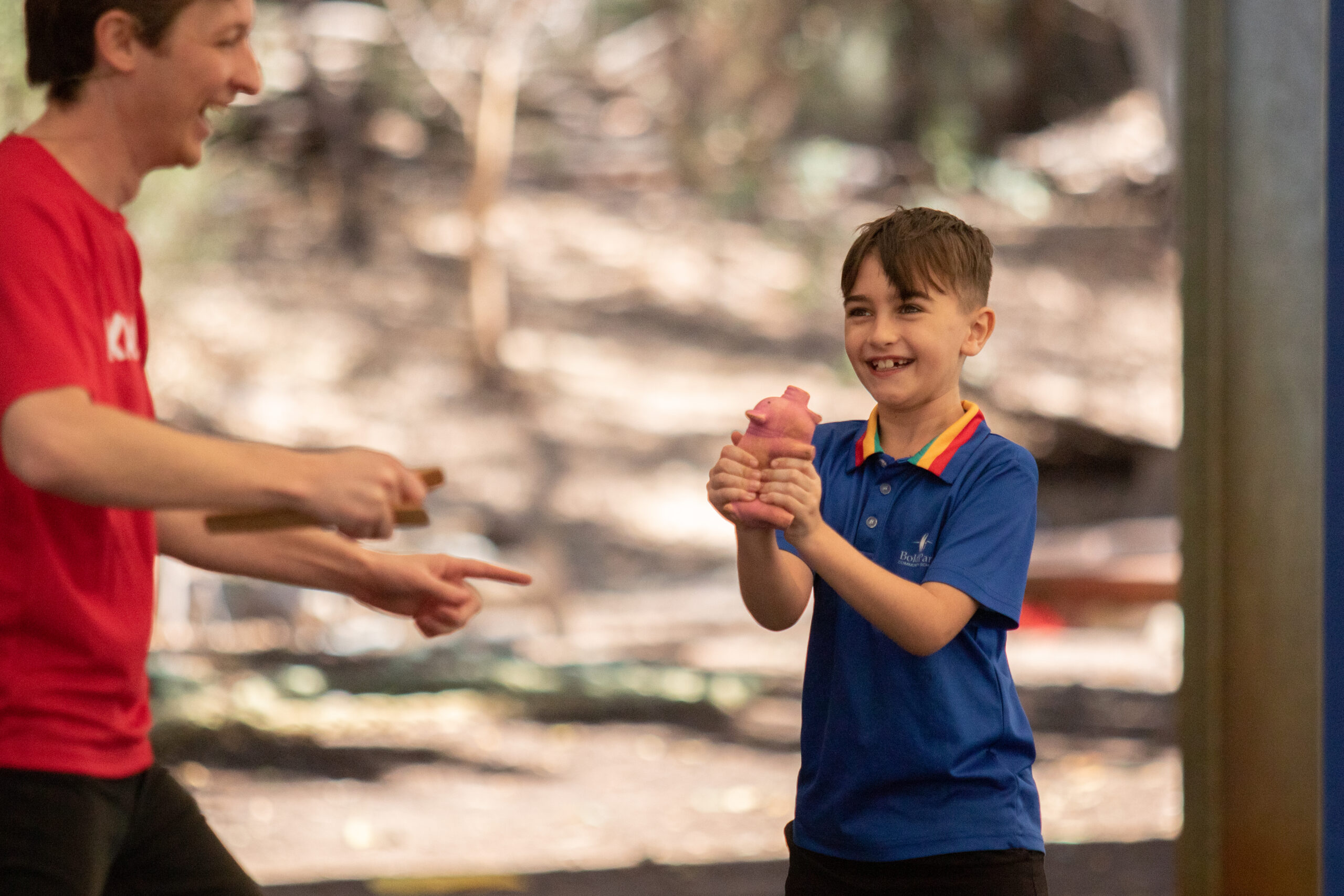
"The community. The teachers and staff really care about my child and want what’s best for him."
COME AND EXPERIENCE THE BOLD PARK DIFFERENCE FOR YOURSELF.
book a tourSpeak to our Community Engagement Coordinator
E-mail: CommunityEngagement@BoldPark.com
Phone: +61 8 9387 5050